EARTH SC/ENVIR SC 1G03
Earth & the Environment
Calendar Description
An introduction to environmental geology and geomorphology through
study of the processes that form the earth and its surface features. A
mandatory one day field trip will be held.
Two lectures, one tutorial, one lab (two hours); one term; Cross-List(s): ENVIR SC 1G03, EARTH SC 1G03
Not open to students with credit or registration in ISCI 1A24.
Time/Term Offered: Term One Fall 2011-12
Instructor: Dr. C.H. Eyles
Room: GSB 304
Tel:(905) 525.9149 ext. 23524
Email: eylesc@mcmaster.ca
Office hours: TBA
Instructional Assistant: Lisa Leoni, leonil@mcmaster.ca
Senior Teaching Assistant: TBA
| Course Outline | Avenue to Learn |
Introduction:
Aim of the Course
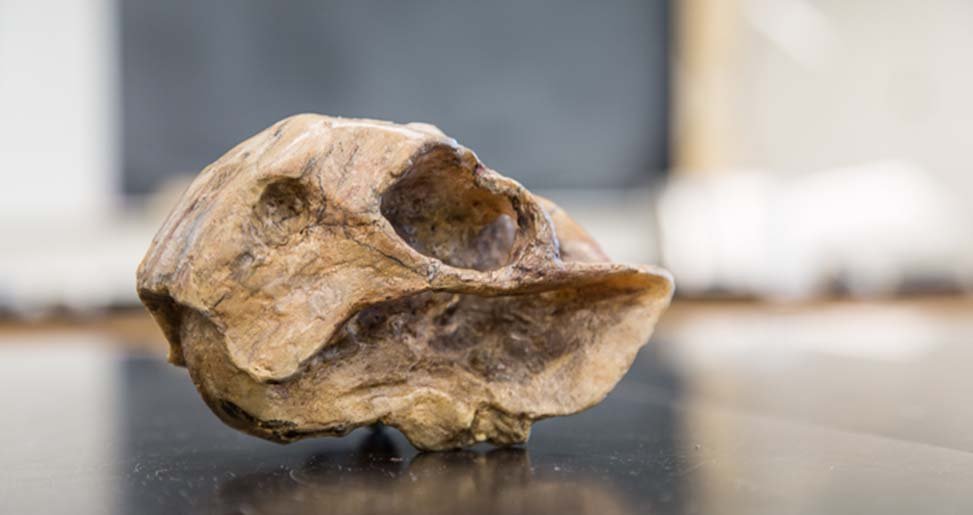
The aim of this course is to introduce students to the many dynamic geological and geomorphological processes that shape the Earth and its surface and subsurface environments. The relationships between Earth processes and human populations will also be considered. The course begins with an examination of the formation and composition of the Earth, the processes of plate tectonics, and the impact these processes have on human populations through earthquakes and volcanism. Students are introduced to principles of mineral and rock identification, Earth movement and structure, and relative and absolute determination of geologic time. Processes operating on the surface of the Earth that are responsible for the erosion of geological materials, their transport, and their deposition as sediments are also examined. Particular attention is given to geomorphic and sedimentologic processes operating in fluvial, glacial, periglacial, and coastal environments and their impact on human populations and activities. The course is richly illustrated with both local and „global‟ case studies and environmental applications.
Skills Development
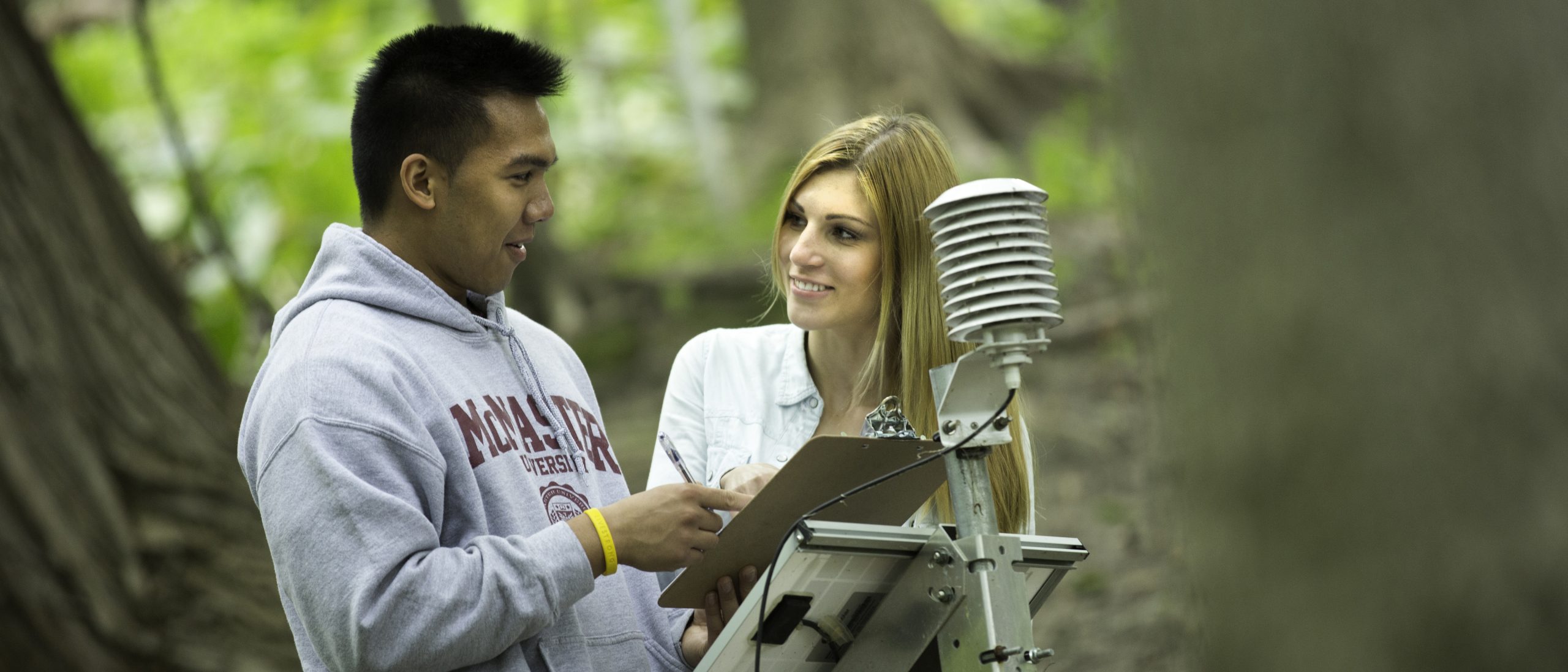
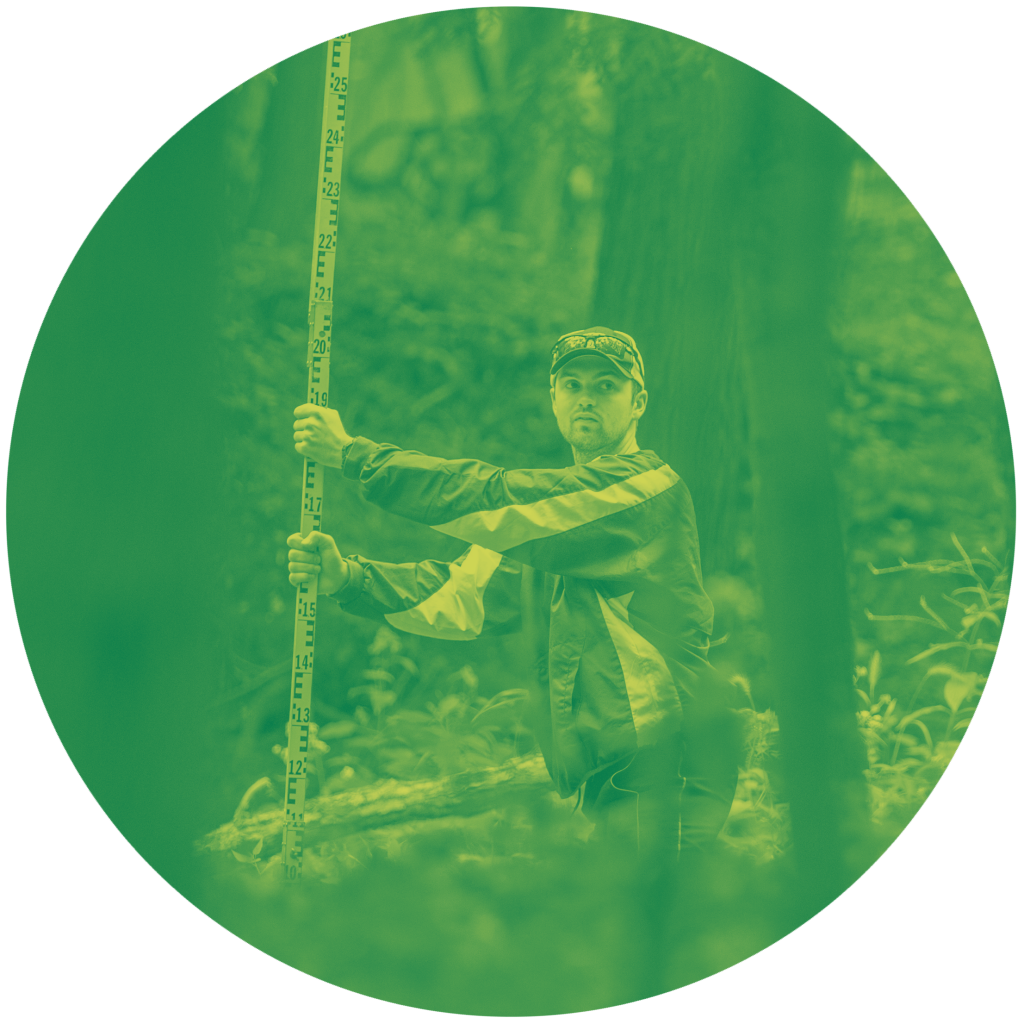
In this course, students will gain introductory library-based information retrieval skills. These skills will be put to use throughout the course and provide a firm basis for future research needs. Students will gain rock and mineral identification skills in both field and lab settings and will learn how to visualize and interpret 3-dimensional geologic structures. Topographic map reading skills will also be introduced and are required for labs involving topographic feature identification and interpretation. Students will gain valuable field skills in geological and geomorphological observation, recording, and interpretation through field work in the local area, including the Niagara Escarpment. Throughout the course, students are provided with the opportunity to enhance both their written and oral communication skills in their lab assignments.
The course is designed so that nearly half of the lab material is taught in an inquiry-based learning format. This will allow students to develop research, analysis and communication skills and enhance their function as lifelong learners.
Lecture/Labs:
Lectures
Lectures will occur on Tuesday, Thursday and Friday (8:30 – 9.20 am) in CNH 104 as per the attached schedule. ALL students are expected to attend ALL lectures. Complete lecture materials will NOT be posted on Avenue. Lecture outlines will be available on Avenue. It is the responsibility of the student to ensure that notes are obtained for any classes missed.
Labs
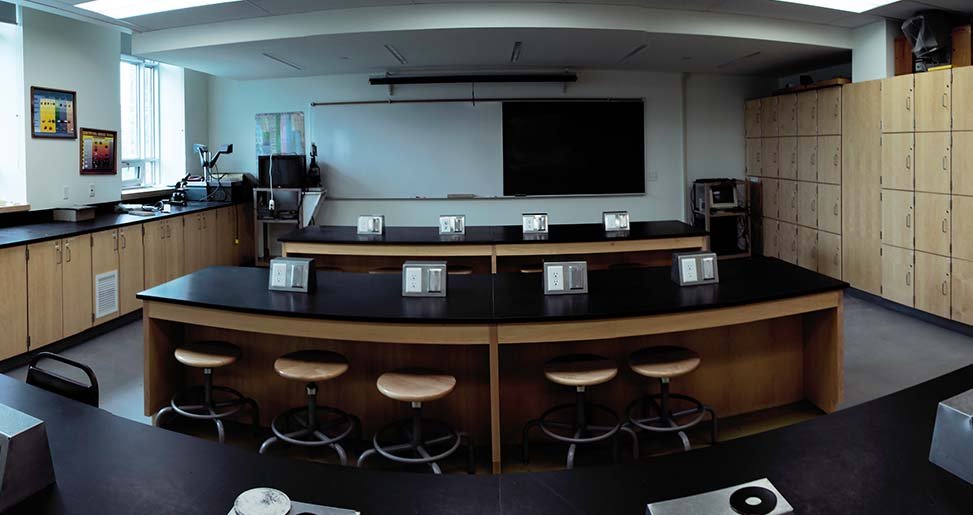
Attendance at labs is mandatory, and you must attend the section assigned to you by the Registrar‟s Office. Students who miss more than one lab without approved documentation will automatically fail the course. There is also a mandatory half-day field trip to examine sites in the local area. The field trip will be held on Friday, September 30 and Saturday, October 1. Students are required to participate in one of the field trip days. Sign up for the field trip will be announced in class.
A cover page will be required for your assignments. This cover page will need to include ALL of the following information: name, student ID number, course name and number (i.e. Envir Sc 1G03), assignment number (e.g. Lab 1), name of your Teaching Assistant (TA), Lab section number or day/time of your lab section, and due date. Assignments submitted without this information will be penalized; 10% of the mark obtained will be subtracted. Assignments submitted late will be penalized, i.e. 25% of the mark obtained will be subtracted for each day of lateness.
Required Text Books/Course materials:
1. Plummer, McGeary, Carlson, Eyles and Eyles 2007. Physical Geology, 2nd Canadian edition.
2. Custom Courseware, Environmental Science 1G03 Lab Manual.
Evaluation:
Labs (4 @ 5%, 1 @ 6%, 1 @ 10%) 36%
Quizzes (2 @ 2.5%, 1 @ 4%) 9%
Midterm (Fri. Oct 14th) 15%
Final Exam 40%
Academic Dishonesty
Academic dishonesty consists of misrepresentation by deception
or by other fraudulent means and can result in serious consequences,
e.g. the grade of zero on an assignment, loss of credit with a notation
on the transcript (notation reads: “Grade of F assigned for
academic dishonesty”), and/or suspension or expulsion from the
university.
The following illustrates only three forms of academic dishonesty:
-
Plagiarism, e.g. the submission of work that is not one’s own or for which other credit has been obtained.
-
Improper collaboration in group work.
-
Copying or using unauthorized aids in tests and examinations.
It is your responsibility to understand what constitutes academic dishonesty. For information on the various kinds of academic dishonesty please refer to the Academic Integrity Policy, located at http://www.mcmaster.ca/policy/Students-AcademicStudies/AcademicIntegrity.pdf
The University reserves the right to change any aspect of this course outline.
The instructor and university reserve the right to modify elements of the course during the term. The university may change the dates and deadlines for any or all courses in extreme circumstances. If either type of modification becomes necessary, reasonable notice and communication with the students will be given with explanation and the opportunity to comment on changes. It is the responsibility of the student to check their McMaster email and course websites weekly during the term and to note any changes.