
Teaching Faculty
Jim Dowling
Associate Professor
My area of specialization is the biomechanics of human movement. While this area of study attempts to solve both pure and applied problems in medical, occupational and sport settings, my research interests primarily involve the modelling and computer simulation of human movement. More specifically, I have focused on the prediction of individual muscle forces by using electromyography and segmental kinematics. The ability to solve applied problems relies on our understanding of the human system, which is reflected by our ability to model it. By combining the measurement of muscular electrical activity with models of the mechanics of muscular contraction we are gaining insights into the internal forces produced by the human body. The prediction of individual muscle forces, therefore, allows a more complete understanding of the causes of applied movement problems such as injury mechanisms, movement efficiency, coordination of skilled performances, fatigue, design of prostheses and sporting equipment.

Krista Howarth
Assistant Professor, Associate Chair Undergraduate Program

Krista Howarth
Assistant Professor, Associate Chair Undergraduate Program
Krista Madsen
Associate Professor
My teaching responsibilities lie in the areas of musculoskeletal anatomy and rehabilitation. I have worked for a number of years at the Levy Memorial Sports Medicine Clinic, and have been a medical team member for a number of national and international sporting events. My goal is to bring theory to practice, and help students develop practical skills that may be used in a clinical or field setting. I believe that anatomy is more than just pictures in a book. The courses I teach focus on understanding how human anatomy works, and the problem solving processes that may help to uncover why it fails (from a clinical and biomechanical perspective). Each of the classes I teach have a required practical class component where students learn to analyze movement and evaluate function, and begin to provide practical solutions. Students are exposed to current research and topics of controversy as they pertain to the field of rehabilitation. From a research perspective, I am particularly interested in the ability of the human body to maintain balance in static and dynamic conditions. I am fascinated by the integration of proprioceptive, visual, and vestibular information, and how these systems may be affected in clinical populations. I am currently focused on the proprioceptive role of the muscles of the neck, and the neurophysiology of fatigue. I plan to continue to integrate my clinical background into future research projects that are focused upon these domains.

Josh Nederveen
Assistant Professor
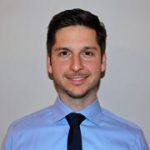

Jim Dowling
Associate Professor
My area of specialization is the biomechanics of human movement. While this area of study attempts to solve both pure and applied problems in medical, occupational and sport settings, my research interests primarily involve the modelling and computer simulation of human movement. More specifically, I have focused on the prediction of individual muscle forces by using electromyography and segmental kinematics. The ability to solve applied problems relies on our understanding of the human system, which is reflected by our ability to model it. By combining the measurement of muscular electrical activity with models of the mechanics of muscular contraction we are gaining insights into the internal forces produced by the human body. The prediction of individual muscle forces, therefore, allows a more complete understanding of the causes of applied movement problems such as injury mechanisms, movement efficiency, coordination of skilled performances, fatigue, design of prostheses and sporting equipment.
Jim Dowling
Associate Professor
My area of specialization is the biomechanics of human movement. While this area of study attempts to solve both pure and applied problems in medical, occupational and sport settings, my research interests primarily involve the modelling and computer simulation of human movement. More specifically, I have focused on the prediction of individual muscle forces by using electromyography and segmental kinematics. The ability to solve applied problems relies on our understanding of the human system, which is reflected by our ability to model it. By combining the measurement of muscular electrical activity with models of the mechanics of muscular contraction we are gaining insights into the internal forces produced by the human body. The prediction of individual muscle forces, therefore, allows a more complete understanding of the causes of applied movement problems such as injury mechanisms, movement efficiency, coordination of skilled performances, fatigue, design of prostheses and sporting equipment.
Krista Howarth
Assistant Professor, Associate Chair Undergraduate Program
Krista Howarth
Assistant Professor, Associate Chair Undergraduate Program
Krista Madsen
Associate Professor
My teaching responsibilities lie in the areas of musculoskeletal anatomy and rehabilitation. I have worked for a number of years at the Levy Memorial Sports Medicine Clinic, and have been a medical team member for a number of national and international sporting events. My goal is to bring theory to practice, and help students develop practical skills that may be used in a clinical or field setting. I believe that anatomy is more than just pictures in a book. The courses I teach focus on understanding how human anatomy works, and the problem solving processes that may help to uncover why it fails (from a clinical and biomechanical perspective). Each of the classes I teach have a required practical class component where students learn to analyze movement and evaluate function, and begin to provide practical solutions. Students are exposed to current research and topics of controversy as they pertain to the field of rehabilitation. From a research perspective, I am particularly interested in the ability of the human body to maintain balance in static and dynamic conditions. I am fascinated by the integration of proprioceptive, visual, and vestibular information, and how these systems may be affected in clinical populations. I am currently focused on the proprioceptive role of the muscles of the neck, and the neurophysiology of fatigue. I plan to continue to integrate my clinical background into future research projects that are focused upon these domains.
Krista Madsen
Associate Professor
My teaching responsibilities lie in the areas of musculoskeletal anatomy and rehabilitation. I have worked for a number of years at the Levy Memorial Sports Medicine Clinic, and have been a medical team member for a number of national and international sporting events. My goal is to bring theory to practice, and help students develop practical skills that may be used in a clinical or field setting. I believe that anatomy is more than just pictures in a book. The courses I teach focus on understanding how human anatomy works, and the problem solving processes that may help to uncover why it fails (from a clinical and biomechanical perspective). Each of the classes I teach have a required practical class component where students learn to analyze movement and evaluate function, and begin to provide practical solutions. Students are exposed to current research and topics of controversy as they pertain to the field of rehabilitation. From a research perspective, I am particularly interested in the ability of the human body to maintain balance in static and dynamic conditions. I am fascinated by the integration of proprioceptive, visual, and vestibular information, and how these systems may be affected in clinical populations. I am currently focused on the proprioceptive role of the muscles of the neck, and the neurophysiology of fatigue. I plan to continue to integrate my clinical background into future research projects that are focused upon these domains.
Josh Nederveen
Assistant Professor
Josh Nederveen
Assistant Professor
Graduate Research Faculty
Baraa Al-Khazraji
Assistant Professor
Dr. Al-Khazraji’s laboratory focuses on exploring blood flow control and vascular physiology in peripheral and cerebral blood vessels. Research interests include: 1) investigating how blood flow is controlled at rest and during cardiovascular challenges such as dynamic exercise,2) understanding vascular health in a range of populations including healthy young individuals to those either at-risk of a vascular-related incident or from a clinical population, 3) how exercise training impacts vascular health, and4) how to expand utility of current vascular imaging tools

Kirsten Bell
Assistant Professor
Research
My research seeks to better understand the relationship between nutrition (especially dietary fats) and metabolic health in adults with breast cancer. Unhealthy metabolic changes develop and worsen during the breast cancer trajectory (diagnosis, treatment, survivorship), often leading to the diagnosis of co-morbidities, like type 2 diabetes and even cancer recurrence, once patients enter survivorship. We do not fully understand why breast cancer patients are predisposed to these metabolic perturbations, but it may be related to certain cancer treatments (e.g., chemotherapy, hormone therapy) or even cancer itself. Cancerous tumours consume fuel (like glucose and lipids) at accelerated rates compared to normal cells, which may impact the metabolic regulation of host tissues, like skeletal muscle.
Students in my laboratory:
- Manipulate circulating lipids to uncover the mechanisms linking lipid availability and skeletal muscle glucose dysregulation in cancer and non-cancer populations,
- Apply fat-based nutrition interventions (e.g., omega-3 supplementation) to improve features of glucose metabolism in adults with breast cancer, and
- Test and develop innovative ultrasound-based techniques to non-invasively assess muscle fat infiltration and metabolic health
I am currently accepting graduate students for Fall 2022. If you are interested in graduate work, please contact me at bellke3@mcmaster.ca.
 I am committed to building and supporting an equitable, inclusive, diverse, and accessible lab environment. Members of equity-deserving groups, including (but not limited to) racialized, 2SLGBTQIA+, neurodivergent, and disabled communities, are encouraged to apply for research opportunities in my lab.
Research Interests
Cancer; Nutrition; Dietary fat; Glucose metabolic health; Skeletal muscle; Body composition; Ultrasound

Steve Bray
Professor
My research examines social-cognitive factors that influence and are influenced by participation in physical activity. Current interests include self-perceptions such as self-efficacy, perceived control, self-regulation, and self-determination. I also investigate people’s perceptions about influential others who interact with them (proxy agents) in their pursuit of behavioural objectives. Understanding relationships between these perceptions and behaviour involves laboratory and field-based research. Challenges faced by people navigating life transitions such as moving away from home to attend college or university, rehabilitating from illness, and becoming a parent are of particular interest.

Michael Carter
Assistant Professor
Movement is undoubtedly a critical aspect of everyday human life and as such, understanding how humans plan, control, and learn skilled actions is an important line of inquiry for both basic and applied research. Research in the Memory, Action, and Cognition Lab at McMaster University aims to understand the cognitive and neural mechanisms subserving motor learning, with an emphasis on the role of errors, strategies, and the information learners selectively extract for action. This research is investigated using a multidisciplinary and collaborative approach that combines behavioural and neurophysiological techniques. Our findings are relevant for advancing fundamental knowledge regarding motor learning and informing practices in the areas of rehabilitation and coaching. For more information about current research projects, please visit the lab website.
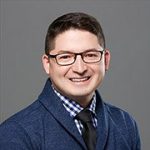
Anthea Christoforou
Assistant Professor
The overarching goal of my research is to examine how nutrition and other chronic disease prevention policies impact on our diets and health. This is a critical time for population health and chronic disease prevention both in Canada and globally. A broad range of food and nutrition policies aimed at improving diets have recently been implemented or proposed (e.g., efforts to reduce sodium and added sugars in our food supply, warning labels for foods high in nutrients of concern, standards for food-like natural health products). These efforts also aim to harmonize parallel policy efforts which target other modifiable risk factors of non-communicable diseases (NCDs) such as guidance for physical activity and those which aim to support healthy aging. My research program draws on a variety of data sources such as food availability data, population level health surveys (e.g., Canadian Community Health Survey, Canadian Health Measures Survey, US National Health and Nutrition Examination Survey) as well as consumer awareness studies to assess the intended and unintended consequences of these efforts while also making important considerations of existing health and nutrition inequalities in our population. Although the research in my lab primarily leverages current and emergent methodologies in nutritional epidemiology, it also integrates research approaches from health economics, chronic disease physiology and social and behavior sciences and includes close collaborations with Health Canada, the WHO, and other policy actors. If you’re interested in learning more about the research conducted in my lab as well as available research opportunities, please contact me at chrisa30@mcmaster.ca

Martin Gibala
Professor; Faculty Of Science Research Chair
My research examines the integrative physiology of exercise at the molecular to whole body level in both healthy individuals and people with chronic diseases. In addition to basic, mechanistic studies on the regulation of skeletal muscle energy provision, my laboratory conducts applied research that examines the impact of physical training and dietary manipulation on human health and performance. Our recent work has largely focused on the physiological adaptations to intermittent exercise (interval training) and the associated health impacts. I am also interested in science communication and coauthored a bestselling book on the science of time-efficient exercise, The One-Minute Workout: Science Shows a Way to Get Fit That’s Smarter, Faster, Shorter (Penguin Random House, 2017).

Martin Gibala
Professor; Faculty Of Science Research Chair
Jennifer Heisz
Associate Professor; Canada Research Chair (Tier 2); Associate Director (Seniors): Physical Activity Centre of Excellence (PACE)
Dr. Jennifer J. Heisz is an Associate Professor in Kinesiology and Associate Director (Seniors) of the Physical Activity Centre of Excellence at McMaster University. Dr. Heisz received her Ph.D. in Cognitive Neuroscience (McMaster) and completed a postdoctoral fellowship at the Rotman Research Institute at Baycrest. Dr. Heisz directs the NeuroFit Lab (http://neurofitlab.ca/) which is funded by the Alzheimer Society, Banting Foundation, Natural Science and Engineering Council of Canada, and the Canadian Foundation for Innovation. Dr. Heisz’s research examines the effects of physical activity on brain function to promote mental health and cognition in young adults, older adults and individuals with Alzheimer’s disease. Recent honours include receiving an Early Researcher Award from the Province of Ontario and the Petro-Canada Young Innovator Award. Follow Dr. Heisz on twitter @jenniferheisz.

Jennifer Heisz
Associate Professor; Canada Research Chair (Tier 2); Associate Director (Seniors): Physical Activity Centre of Excellence (PACE)
Peter Keir
Professor; Associate Chair – Graduate Studies
My basic interest is determining in how the body works combining mechanics and control, and consequently, how it gets injured. My research aims to determine the mechanisms of work-related musculoskeletal disorders of the upper extremity from the fingers to the shoulder (and occasionally some other parts). These disorders tend to occur over a long period of time through complex pathways. By developing a solid link between control and mechanics, we can define the mechanisms of disorders such that they can be better rehabilitated and, ultimately, prevented. We examine disorders of muscle tissue (e.g. myalgia), connective tissue (e.g. tendinitis, epicondylitis), and peripheral nerve (e.g. carpal tunnel syndrome). To reach these research objectives, we use both basic (laboratory) and applied (laboratory and field) studies. My research tools include ultrasound, MRI, tissue measurement, computer modeling, electromyography (surface and fine wire EMG), various dynamometers, data trackers, and motion analysis.

Peter Keir
Professor; Associate Chair – Graduate Studies
Dylan Kobsar
Assistant Professor
My research is aimed at making biomechanics and human movement analyses more accessible and real-world relevant. Specifically, this work focuses on the use of wearable inertial sensors to help track and treat musculoskeletal disorders or injuries. When we think of wearable sensors, we often think of fitness tracking watches, but in fact wearable sensors have the capabilities to collect a variety of detailed human movement data similar to conventional motion capture gait laboratories. Further, when we combine these devices with innovative analyses (e.g., machine learning algorithms) and visualization techniques, a whole new world of possibilities for assessing human movement is realized. To this point, my research has used these accessible devices and innovative techniques to uncover patterns in human movement that can help us better understand the progression and treatment of individuals with knee osteoarthritis and running injuries.Interesting in joining the lab? Please submit your information here
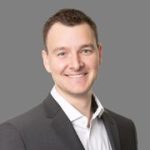
Vladimir Ljubicic
Associate Professor; Canada Research Chair (Tier 2) in Neuromuscular Plasticity in Health and Disease; Acting Associate Chair, Graduate Program
Neuromuscular plasticity refers to the remodeling of the neuromuscular system in response to genetic or environmental cues. Neuromuscular disorders, including the neuromuscular alterations that are hallmarks of advanced aging, are more common in Canada then generally appreciated. The central experimental questions that form the foundation of our research program are: 1) What roles do phenotype-modifying proteins play in the maintenance and remodeling of the peripheral neuromuscular system, and 2) Are these molecules efficacious therapeutic targets for neuromuscular disorders? To address these questions, we design investigations around rational lifestyle- and pharmacological-based strategies focused on the manipulation of powerful phenotype-bending molecules in the neuromuscular system. Furthermore, we employ an integrative and rigorous cell-to-animal experimental approach, as well as an innovative combination of molecular physiological solutions. The long-term goal of our research is to expand fundamental understanding of the mechanisms governing neuromuscular plasticity, as well as to identify novel, evidence-based therapeutic strategies to improve the lives of those with compromised neuromuscular systems.

Vladimir Ljubicic
Associate Professor; Canada Research Chair (Tier 2) in Neuromuscular Plasticity in Health and Disease; Acting Associate Chair, Graduate Program
Jim Lyons
Professor; Acting Chair
My research interests combine several distinct but somewhat related areas. There are: 1) the nature of, and processes subserving, the distribution of human selective attention relative to goal-directed action, 2) perception and motor control in special populations; and, 3) human factors and cognitive ergonomics. The attention work has focused primarily on the relative influences of visual feedback, distracting information and the spatial orientation of perceptual-motor space on the acquisition and execution of both simple and complex motor skills. This research focus derives primarily from an interest in several theoretical accounts of the ways in which we use environmental information to plan movements and deal with various task constraints. My interest in human factors seeks to compliment and extend this theoretical work into areas that may be considered to be more applied including such issues as may be related to human-computer interaction and the learning of complex motor skills. My research with special populations deals primarily with changes in perception and motor control that may occur with normal aging and those that may be associated with developmental delays such as Down syndrome and Developmental Coordination Disorder.

Maureen MacDonald
Professor; Dean, Faculty of Science
Most of us realize that our blood vessels play an important role in transporting blood to and from all of the tissues of our body. The human cardiovascular system is continually adapting to and co-coordinating the differing requirements of the body tissues and the energy demands of skeletal muscle alone are capable of changing 100 fold within seconds of the onset of a new task. Blood vessels are much more than static tubes for transporting blood. The structure and function of our blood vessels can adapt to challenges they are presented with and can change significantly in both health and disease. Two important features of our arteries (blood vessels which transport blood away from the heart) are how flexible (stiffness) they are and how much they can expand (dilate) when faced with the challenges of increasing pressure and/or flow. We know that these two features, stiffness and dilation, change with disease processes, aging, spinal cord injury and some exercise programs but we know very little about what regulates these changes. In my laboratory we have been studying the role that exercise, which can result in large pressure and flow challenges to the arteries, plays in changing arterial structure and function. We examine the responses of a variety of components of the cardiovascular system to exercise challenges in order to determine control mechanisms. The specific cardiovascular variables, which are central to this research, are blood pressure, blood flow and arterial stiffness, diameter, wall thickness and dilation. Objectives of my research program include examination of the impact of alterations in vessel stiffness and function on skeletal muscle blood flow responses both at rest, and during exercise. Our continuing studies will focus on the use of cutting edge ultrasound technology to examine blood vessel stiffness and regional blood flow in both healthy and clinical populations. The insight gained from these studies will assist in advancing the current basic knowledge of the cardiovascular system as well as identifying the effectiveness of exercise as an intervention in determining basic cardiovascular regulation and in improving health status and lifestyle.

Aimee Nelson
Professor
The purpose of my research is to develop fundamental understanding of the cortical control of the human hand and upper limb. My research program is focused on the somatosensory contributions to motor control; human hand control is profoundly dependent on the integrity of somatosensory input that arises from touch and muscle receptors. Multiple cortical areas receive and process somatosensory input yet little is known about the role of these areas in the control of human hand movement. My research program is primarily focused on investigating the role of somatosensory loci in the control of hand movement in healthy and clinical populations. Students in my lab use a combination of neurophysiology techniques including transcranial magnetic stimulation (TMS) and functional magnetic resonance imaging.


Gianni Parise
Professor; Acting Associate Vice-President, Research
Generally, my interests involve understanding the mechanisms of skeletal muscle adaptation and repair to exercise and injury. We focus primarily on skeletal muscle progenitor cells and their role in remodelling of tissue. Additionally, we focus on how muscle progenitor cells fails in aging and examine strategies to rejuvenate the muscle progenitor response to injury and exercise in older adults.

Gianni Parise
Professor; Acting Associate Vice-President, Research
Stuart Phillips
Professor; Associate Chair, Research; Director, Physical Activity Centre of Excellence (PACE); Director, McMaster Centre for Nutrition, Exercise, and Health Research; Canada Research Chair (Tier 1)
Professor Phillips is a Tier 1 Canada Research Chair in Skeletal Muscle Health in Aging. He is a Professor in Kinesiology, and Graduate Faculty in the School of Medicine at McMaster University. He is a fellow of the Canadian Academy of Health Sciences (FCAHS) and the American College of Sports Medicine (ACSM). His research is focused on the impact of nutrition and exercise on the mechanisms of human skeletal muscle protein turnover. He is also keenly interested in diet- and exercise-induced changes in body composition particularly in older persons.His research is funded by the Canadian Institutes for Health Research, the National Science and Engineering Council of Canada, the Canadian Foundation for Innovation, the US NIH, the USDA, and several industry partners.Dr. Phillips was the inaugural recipient of the Enzo Cafarelli Graduate Mentor Award in 2017. He was named to Clarivate’s Highly Cited Award in 2018-2021 as one of the top 1% of all cited researchers in physiology and nutrition. He has more than 50,000 citations and an h-index of 121; https://scholar.google.ca/citations?user=VLu9hqgAAAAJ&hl=en

Stuart Phillips
Professor; Associate Chair, Research; Director, Physical Activity Centre of Excellence (PACE); Director, McMaster Centre for Nutrition, Exercise, and Health Research; Canada Research Chair (Tier 1)
Jeremy Walsh
Assistant Professor
Dr. Walsh’s research is focused on investigating the mechanisms by which daily behaviours (physical activity, diet, screen time, sleep and cognitive stimulation) impact brain function. The overarching goal of this research is to apply this knowledge to develop interventions that optimize brain health across the lifespan. Dr. Walsh’s research is particularly interested in characterizing how exercise increases the neuroactive hormone brain-derived neurotrophic factor (BDNF), and investigating the effect of BDNF on brain function. The primary measurement outcomes of this research are: 1) measuring neuroactive hormones in the blood, 2) assessing cognitive function, 3) measuring cerebral blood flow.Dr. Walsh is currently accepting graduate students for Fall 2021. If you are interested in a research opportunity with Dr. Walsh, please fill out an application here.
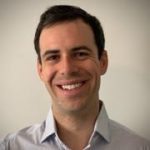
Kyoung June (David) Yi
Assistant Professor; Associate Director, Physical Activity Centre of Excellence (PACE)
I am passionate about conducting collaborative and transformative interdisciplinary studies to promote equity, diversity, and inclusion in physical activity participation. Employing community engaged methodologies, I seek opportunities for everyone to pursue active lifestyles that enhance their health and well-being in various contexts of human movement. Four areas of research focus are:
- Identification of systemic and personal barriers to physical activity by collecting and representing “unheard” or “silenced” lived stories of marginalized and oppressed groups and individuals;
- Identification of effective and ethically framed professional practices that promote access and social inclusion, cultural sustainability, and respectful reconciliation in working with equity deserving groups and individuals;
- Identification of actionable solutions based on both the scientific evidence and the perspective of persons who experience inequities and social injustices in physical activity participation; and
- Promotion of direct social change through community building and engagement in research, practice, and knowledge mobilization.
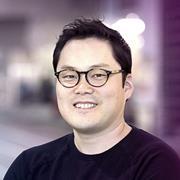
Kyoung June (David) Yi
Assistant Professor; Associate Director, Physical Activity Centre of Excellence (PACE)
Baraa Al-Khazraji
Assistant Professor
Dr. Al-Khazraji’s laboratory focuses on exploring blood flow control and vascular physiology in peripheral and cerebral blood vessels. Research interests include: 1) investigating how blood flow is controlled at rest and during cardiovascular challenges such as dynamic exercise,2) understanding vascular health in a range of populations including healthy young individuals to those either at-risk of a vascular-related incident or from a clinical population, 3) how exercise training impacts vascular health, and4) how to expand utility of current vascular imaging tools
Baraa Al-Khazraji
Assistant Professor
Dr. Al-Khazraji’s laboratory focuses on exploring blood flow control and vascular physiology in peripheral and cerebral blood vessels. Research interests include: 1) investigating how blood flow is controlled at rest and during cardiovascular challenges such as dynamic exercise,2) understanding vascular health in a range of populations including healthy young individuals to those either at-risk of a vascular-related incident or from a clinical population, 3) how exercise training impacts vascular health, and4) how to expand utility of current vascular imaging tools
Kirsten Bell
Assistant Professor
Research
My research seeks to better understand the relationship between nutrition (especially dietary fats) and metabolic health in adults with breast cancer. Unhealthy metabolic changes develop and worsen during the breast cancer trajectory (diagnosis, treatment, survivorship), often leading to the diagnosis of co-morbidities, like type 2 diabetes and even cancer recurrence, once patients enter survivorship. We do not fully understand why breast cancer patients are predisposed to these metabolic perturbations, but it may be related to certain cancer treatments (e.g., chemotherapy, hormone therapy) or even cancer itself. Cancerous tumours consume fuel (like glucose and lipids) at accelerated rates compared to normal cells, which may impact the metabolic regulation of host tissues, like skeletal muscle.
Students in my laboratory:
- Manipulate circulating lipids to uncover the mechanisms linking lipid availability and skeletal muscle glucose dysregulation in cancer and non-cancer populations,
- Apply fat-based nutrition interventions (e.g., omega-3 supplementation) to improve features of glucose metabolism in adults with breast cancer, and
- Test and develop innovative ultrasound-based techniques to non-invasively assess muscle fat infiltration and metabolic health
I am currently accepting graduate students for Fall 2022. If you are interested in graduate work, please contact me at bellke3@mcmaster.ca.
I am committed to building and supporting an equitable, inclusive, diverse, and accessible lab environment. Members of equity-deserving groups, including (but not limited to) racialized, 2SLGBTQIA+, neurodivergent, and disabled communities, are encouraged to apply for research opportunities in my lab.
Research Interests
Cancer; Nutrition; Dietary fat; Glucose metabolic health; Skeletal muscle; Body composition; Ultrasound
Kirsten Bell
Assistant Professor
Research
My research seeks to better understand the relationship between nutrition (especially dietary fats) and metabolic health in adults with breast cancer. Unhealthy metabolic changes develop and worsen during the breast cancer trajectory (diagnosis, treatment, survivorship), often leading to the diagnosis of co-morbidities, like type 2 diabetes and even cancer recurrence, once patients enter survivorship. We do not fully understand why breast cancer patients are predisposed to these metabolic perturbations, but it may be related to certain cancer treatments (e.g., chemotherapy, hormone therapy) or even cancer itself. Cancerous tumours consume fuel (like glucose and lipids) at accelerated rates compared to normal cells, which may impact the metabolic regulation of host tissues, like skeletal muscle.
Students in my laboratory:
- Manipulate circulating lipids to uncover the mechanisms linking lipid availability and skeletal muscle glucose dysregulation in cancer and non-cancer populations,
- Apply fat-based nutrition interventions (e.g., omega-3 supplementation) to improve features of glucose metabolism in adults with breast cancer, and
- Test and develop innovative ultrasound-based techniques to non-invasively assess muscle fat infiltration and metabolic health
I am currently accepting graduate students for Fall 2022. If you are interested in graduate work, please contact me at bellke3@mcmaster.ca.
I am committed to building and supporting an equitable, inclusive, diverse, and accessible lab environment. Members of equity-deserving groups, including (but not limited to) racialized, 2SLGBTQIA+, neurodivergent, and disabled communities, are encouraged to apply for research opportunities in my lab.
Research Interests
Cancer; Nutrition; Dietary fat; Glucose metabolic health; Skeletal muscle; Body composition; Ultrasound
Steve Bray
Professor
My research examines social-cognitive factors that influence and are influenced by participation in physical activity. Current interests include self-perceptions such as self-efficacy, perceived control, self-regulation, and self-determination. I also investigate people’s perceptions about influential others who interact with them (proxy agents) in their pursuit of behavioural objectives. Understanding relationships between these perceptions and behaviour involves laboratory and field-based research. Challenges faced by people navigating life transitions such as moving away from home to attend college or university, rehabilitating from illness, and becoming a parent are of particular interest.
Steve Bray
Professor
My research examines social-cognitive factors that influence and are influenced by participation in physical activity. Current interests include self-perceptions such as self-efficacy, perceived control, self-regulation, and self-determination. I also investigate people’s perceptions about influential others who interact with them (proxy agents) in their pursuit of behavioural objectives. Understanding relationships between these perceptions and behaviour involves laboratory and field-based research. Challenges faced by people navigating life transitions such as moving away from home to attend college or university, rehabilitating from illness, and becoming a parent are of particular interest.
Michael Carter
Assistant Professor
Movement is undoubtedly a critical aspect of everyday human life and as such, understanding how humans plan, control, and learn skilled actions is an important line of inquiry for both basic and applied research. Research in the Memory, Action, and Cognition Lab at McMaster University aims to understand the cognitive and neural mechanisms subserving motor learning, with an emphasis on the role of errors, strategies, and the information learners selectively extract for action. This research is investigated using a multidisciplinary and collaborative approach that combines behavioural and neurophysiological techniques. Our findings are relevant for advancing fundamental knowledge regarding motor learning and informing practices in the areas of rehabilitation and coaching. For more information about current research projects, please visit the lab website.
Michael Carter
Assistant Professor
Movement is undoubtedly a critical aspect of everyday human life and as such, understanding how humans plan, control, and learn skilled actions is an important line of inquiry for both basic and applied research. Research in the Memory, Action, and Cognition Lab at McMaster University aims to understand the cognitive and neural mechanisms subserving motor learning, with an emphasis on the role of errors, strategies, and the information learners selectively extract for action. This research is investigated using a multidisciplinary and collaborative approach that combines behavioural and neurophysiological techniques. Our findings are relevant for advancing fundamental knowledge regarding motor learning and informing practices in the areas of rehabilitation and coaching. For more information about current research projects, please visit the lab website.
Anthea Christoforou
Assistant Professor
The overarching goal of my research is to examine how nutrition and other chronic disease prevention policies impact on our diets and health. This is a critical time for population health and chronic disease prevention both in Canada and globally. A broad range of food and nutrition policies aimed at improving diets have recently been implemented or proposed (e.g., efforts to reduce sodium and added sugars in our food supply, warning labels for foods high in nutrients of concern, standards for food-like natural health products). These efforts also aim to harmonize parallel policy efforts which target other modifiable risk factors of non-communicable diseases (NCDs) such as guidance for physical activity and those which aim to support healthy aging. My research program draws on a variety of data sources such as food availability data, population level health surveys (e.g., Canadian Community Health Survey, Canadian Health Measures Survey, US National Health and Nutrition Examination Survey) as well as consumer awareness studies to assess the intended and unintended consequences of these efforts while also making important considerations of existing health and nutrition inequalities in our population. Although the research in my lab primarily leverages current and emergent methodologies in nutritional epidemiology, it also integrates research approaches from health economics, chronic disease physiology and social and behavior sciences and includes close collaborations with Health Canada, the WHO, and other policy actors. If you’re interested in learning more about the research conducted in my lab as well as available research opportunities, please contact me at chrisa30@mcmaster.ca
Anthea Christoforou
Assistant Professor
The overarching goal of my research is to examine how nutrition and other chronic disease prevention policies impact on our diets and health. This is a critical time for population health and chronic disease prevention both in Canada and globally. A broad range of food and nutrition policies aimed at improving diets have recently been implemented or proposed (e.g., efforts to reduce sodium and added sugars in our food supply, warning labels for foods high in nutrients of concern, standards for food-like natural health products). These efforts also aim to harmonize parallel policy efforts which target other modifiable risk factors of non-communicable diseases (NCDs) such as guidance for physical activity and those which aim to support healthy aging. My research program draws on a variety of data sources such as food availability data, population level health surveys (e.g., Canadian Community Health Survey, Canadian Health Measures Survey, US National Health and Nutrition Examination Survey) as well as consumer awareness studies to assess the intended and unintended consequences of these efforts while also making important considerations of existing health and nutrition inequalities in our population. Although the research in my lab primarily leverages current and emergent methodologies in nutritional epidemiology, it also integrates research approaches from health economics, chronic disease physiology and social and behavior sciences and includes close collaborations with Health Canada, the WHO, and other policy actors. If you’re interested in learning more about the research conducted in my lab as well as available research opportunities, please contact me at chrisa30@mcmaster.ca
Martin Gibala
Professor; Faculty Of Science Research Chair
My research examines the integrative physiology of exercise at the molecular to whole body level in both healthy individuals and people with chronic diseases. In addition to basic, mechanistic studies on the regulation of skeletal muscle energy provision, my laboratory conducts applied research that examines the impact of physical training and dietary manipulation on human health and performance. Our recent work has largely focused on the physiological adaptations to intermittent exercise (interval training) and the associated health impacts. I am also interested in science communication and coauthored a bestselling book on the science of time-efficient exercise, The One-Minute Workout: Science Shows a Way to Get Fit That’s Smarter, Faster, Shorter (Penguin Random House, 2017).
Martin Gibala
Professor; Faculty Of Science Research Chair
My research examines the integrative physiology of exercise at the molecular to whole body level in both healthy individuals and people with chronic diseases. In addition to basic, mechanistic studies on the regulation of skeletal muscle energy provision, my laboratory conducts applied research that examines the impact of physical training and dietary manipulation on human health and performance. Our recent work has largely focused on the physiological adaptations to intermittent exercise (interval training) and the associated health impacts. I am also interested in science communication and coauthored a bestselling book on the science of time-efficient exercise, The One-Minute Workout: Science Shows a Way to Get Fit That’s Smarter, Faster, Shorter (Penguin Random House, 2017).
Jennifer Heisz
Associate Professor; Canada Research Chair (Tier 2); Associate Director (Seniors): Physical Activity Centre of Excellence (PACE)
Dr. Jennifer J. Heisz is an Associate Professor in Kinesiology and Associate Director (Seniors) of the Physical Activity Centre of Excellence at McMaster University. Dr. Heisz received her Ph.D. in Cognitive Neuroscience (McMaster) and completed a postdoctoral fellowship at the Rotman Research Institute at Baycrest. Dr. Heisz directs the NeuroFit Lab (http://neurofitlab.ca/) which is funded by the Alzheimer Society, Banting Foundation, Natural Science and Engineering Council of Canada, and the Canadian Foundation for Innovation. Dr. Heisz’s research examines the effects of physical activity on brain function to promote mental health and cognition in young adults, older adults and individuals with Alzheimer’s disease. Recent honours include receiving an Early Researcher Award from the Province of Ontario and the Petro-Canada Young Innovator Award. Follow Dr. Heisz on twitter @jenniferheisz.
Jennifer Heisz
Associate Professor; Canada Research Chair (Tier 2); Associate Director (Seniors): Physical Activity Centre of Excellence (PACE)
Dr. Jennifer J. Heisz is an Associate Professor in Kinesiology and Associate Director (Seniors) of the Physical Activity Centre of Excellence at McMaster University. Dr. Heisz received her Ph.D. in Cognitive Neuroscience (McMaster) and completed a postdoctoral fellowship at the Rotman Research Institute at Baycrest. Dr. Heisz directs the NeuroFit Lab (http://neurofitlab.ca/) which is funded by the Alzheimer Society, Banting Foundation, Natural Science and Engineering Council of Canada, and the Canadian Foundation for Innovation. Dr. Heisz’s research examines the effects of physical activity on brain function to promote mental health and cognition in young adults, older adults and individuals with Alzheimer’s disease. Recent honours include receiving an Early Researcher Award from the Province of Ontario and the Petro-Canada Young Innovator Award. Follow Dr. Heisz on twitter @jenniferheisz.
Peter Keir
Professor; Associate Chair – Graduate Studies
My basic interest is determining in how the body works combining mechanics and control, and consequently, how it gets injured. My research aims to determine the mechanisms of work-related musculoskeletal disorders of the upper extremity from the fingers to the shoulder (and occasionally some other parts). These disorders tend to occur over a long period of time through complex pathways. By developing a solid link between control and mechanics, we can define the mechanisms of disorders such that they can be better rehabilitated and, ultimately, prevented. We examine disorders of muscle tissue (e.g. myalgia), connective tissue (e.g. tendinitis, epicondylitis), and peripheral nerve (e.g. carpal tunnel syndrome). To reach these research objectives, we use both basic (laboratory) and applied (laboratory and field) studies. My research tools include ultrasound, MRI, tissue measurement, computer modeling, electromyography (surface and fine wire EMG), various dynamometers, data trackers, and motion analysis.
Peter Keir
Professor; Associate Chair – Graduate Studies
My basic interest is determining in how the body works combining mechanics and control, and consequently, how it gets injured. My research aims to determine the mechanisms of work-related musculoskeletal disorders of the upper extremity from the fingers to the shoulder (and occasionally some other parts). These disorders tend to occur over a long period of time through complex pathways. By developing a solid link between control and mechanics, we can define the mechanisms of disorders such that they can be better rehabilitated and, ultimately, prevented. We examine disorders of muscle tissue (e.g. myalgia), connective tissue (e.g. tendinitis, epicondylitis), and peripheral nerve (e.g. carpal tunnel syndrome). To reach these research objectives, we use both basic (laboratory) and applied (laboratory and field) studies. My research tools include ultrasound, MRI, tissue measurement, computer modeling, electromyography (surface and fine wire EMG), various dynamometers, data trackers, and motion analysis.
Dylan Kobsar
Assistant Professor
My research is aimed at making biomechanics and human movement analyses more accessible and real-world relevant. Specifically, this work focuses on the use of wearable inertial sensors to help track and treat musculoskeletal disorders or injuries. When we think of wearable sensors, we often think of fitness tracking watches, but in fact wearable sensors have the capabilities to collect a variety of detailed human movement data similar to conventional motion capture gait laboratories. Further, when we combine these devices with innovative analyses (e.g., machine learning algorithms) and visualization techniques, a whole new world of possibilities for assessing human movement is realized. To this point, my research has used these accessible devices and innovative techniques to uncover patterns in human movement that can help us better understand the progression and treatment of individuals with knee osteoarthritis and running injuries.Interesting in joining the lab? Please submit your information here
Dylan Kobsar
Assistant Professor
My research is aimed at making biomechanics and human movement analyses more accessible and real-world relevant. Specifically, this work focuses on the use of wearable inertial sensors to help track and treat musculoskeletal disorders or injuries. When we think of wearable sensors, we often think of fitness tracking watches, but in fact wearable sensors have the capabilities to collect a variety of detailed human movement data similar to conventional motion capture gait laboratories. Further, when we combine these devices with innovative analyses (e.g., machine learning algorithms) and visualization techniques, a whole new world of possibilities for assessing human movement is realized. To this point, my research has used these accessible devices and innovative techniques to uncover patterns in human movement that can help us better understand the progression and treatment of individuals with knee osteoarthritis and running injuries.Interesting in joining the lab? Please submit your information here
Vladimir Ljubicic
Associate Professor; Canada Research Chair (Tier 2) in Neuromuscular Plasticity in Health and Disease; Acting Associate Chair, Graduate Program
Neuromuscular plasticity refers to the remodeling of the neuromuscular system in response to genetic or environmental cues. Neuromuscular disorders, including the neuromuscular alterations that are hallmarks of advanced aging, are more common in Canada then generally appreciated. The central experimental questions that form the foundation of our research program are: 1) What roles do phenotype-modifying proteins play in the maintenance and remodeling of the peripheral neuromuscular system, and 2) Are these molecules efficacious therapeutic targets for neuromuscular disorders? To address these questions, we design investigations around rational lifestyle- and pharmacological-based strategies focused on the manipulation of powerful phenotype-bending molecules in the neuromuscular system. Furthermore, we employ an integrative and rigorous cell-to-animal experimental approach, as well as an innovative combination of molecular physiological solutions. The long-term goal of our research is to expand fundamental understanding of the mechanisms governing neuromuscular plasticity, as well as to identify novel, evidence-based therapeutic strategies to improve the lives of those with compromised neuromuscular systems.
Vladimir Ljubicic
Associate Professor; Canada Research Chair (Tier 2) in Neuromuscular Plasticity in Health and Disease; Acting Associate Chair, Graduate Program
Neuromuscular plasticity refers to the remodeling of the neuromuscular system in response to genetic or environmental cues. Neuromuscular disorders, including the neuromuscular alterations that are hallmarks of advanced aging, are more common in Canada then generally appreciated. The central experimental questions that form the foundation of our research program are: 1) What roles do phenotype-modifying proteins play in the maintenance and remodeling of the peripheral neuromuscular system, and 2) Are these molecules efficacious therapeutic targets for neuromuscular disorders? To address these questions, we design investigations around rational lifestyle- and pharmacological-based strategies focused on the manipulation of powerful phenotype-bending molecules in the neuromuscular system. Furthermore, we employ an integrative and rigorous cell-to-animal experimental approach, as well as an innovative combination of molecular physiological solutions. The long-term goal of our research is to expand fundamental understanding of the mechanisms governing neuromuscular plasticity, as well as to identify novel, evidence-based therapeutic strategies to improve the lives of those with compromised neuromuscular systems.
Jim Lyons
Professor; Acting Chair
My research interests combine several distinct but somewhat related areas. There are: 1) the nature of, and processes subserving, the distribution of human selective attention relative to goal-directed action, 2) perception and motor control in special populations; and, 3) human factors and cognitive ergonomics. The attention work has focused primarily on the relative influences of visual feedback, distracting information and the spatial orientation of perceptual-motor space on the acquisition and execution of both simple and complex motor skills. This research focus derives primarily from an interest in several theoretical accounts of the ways in which we use environmental information to plan movements and deal with various task constraints. My interest in human factors seeks to compliment and extend this theoretical work into areas that may be considered to be more applied including such issues as may be related to human-computer interaction and the learning of complex motor skills. My research with special populations deals primarily with changes in perception and motor control that may occur with normal aging and those that may be associated with developmental delays such as Down syndrome and Developmental Coordination Disorder.
Jim Lyons
Professor; Acting Chair
My research interests combine several distinct but somewhat related areas. There are: 1) the nature of, and processes subserving, the distribution of human selective attention relative to goal-directed action, 2) perception and motor control in special populations; and, 3) human factors and cognitive ergonomics. The attention work has focused primarily on the relative influences of visual feedback, distracting information and the spatial orientation of perceptual-motor space on the acquisition and execution of both simple and complex motor skills. This research focus derives primarily from an interest in several theoretical accounts of the ways in which we use environmental information to plan movements and deal with various task constraints. My interest in human factors seeks to compliment and extend this theoretical work into areas that may be considered to be more applied including such issues as may be related to human-computer interaction and the learning of complex motor skills. My research with special populations deals primarily with changes in perception and motor control that may occur with normal aging and those that may be associated with developmental delays such as Down syndrome and Developmental Coordination Disorder.
Maureen MacDonald
Professor; Dean, Faculty of Science
Most of us realize that our blood vessels play an important role in transporting blood to and from all of the tissues of our body. The human cardiovascular system is continually adapting to and co-coordinating the differing requirements of the body tissues and the energy demands of skeletal muscle alone are capable of changing 100 fold within seconds of the onset of a new task. Blood vessels are much more than static tubes for transporting blood. The structure and function of our blood vessels can adapt to challenges they are presented with and can change significantly in both health and disease. Two important features of our arteries (blood vessels which transport blood away from the heart) are how flexible (stiffness) they are and how much they can expand (dilate) when faced with the challenges of increasing pressure and/or flow. We know that these two features, stiffness and dilation, change with disease processes, aging, spinal cord injury and some exercise programs but we know very little about what regulates these changes. In my laboratory we have been studying the role that exercise, which can result in large pressure and flow challenges to the arteries, plays in changing arterial structure and function. We examine the responses of a variety of components of the cardiovascular system to exercise challenges in order to determine control mechanisms. The specific cardiovascular variables, which are central to this research, are blood pressure, blood flow and arterial stiffness, diameter, wall thickness and dilation. Objectives of my research program include examination of the impact of alterations in vessel stiffness and function on skeletal muscle blood flow responses both at rest, and during exercise. Our continuing studies will focus on the use of cutting edge ultrasound technology to examine blood vessel stiffness and regional blood flow in both healthy and clinical populations. The insight gained from these studies will assist in advancing the current basic knowledge of the cardiovascular system as well as identifying the effectiveness of exercise as an intervention in determining basic cardiovascular regulation and in improving health status and lifestyle.
Maureen MacDonald
Professor; Dean, Faculty of Science
Most of us realize that our blood vessels play an important role in transporting blood to and from all of the tissues of our body. The human cardiovascular system is continually adapting to and co-coordinating the differing requirements of the body tissues and the energy demands of skeletal muscle alone are capable of changing 100 fold within seconds of the onset of a new task. Blood vessels are much more than static tubes for transporting blood. The structure and function of our blood vessels can adapt to challenges they are presented with and can change significantly in both health and disease. Two important features of our arteries (blood vessels which transport blood away from the heart) are how flexible (stiffness) they are and how much they can expand (dilate) when faced with the challenges of increasing pressure and/or flow. We know that these two features, stiffness and dilation, change with disease processes, aging, spinal cord injury and some exercise programs but we know very little about what regulates these changes. In my laboratory we have been studying the role that exercise, which can result in large pressure and flow challenges to the arteries, plays in changing arterial structure and function. We examine the responses of a variety of components of the cardiovascular system to exercise challenges in order to determine control mechanisms. The specific cardiovascular variables, which are central to this research, are blood pressure, blood flow and arterial stiffness, diameter, wall thickness and dilation. Objectives of my research program include examination of the impact of alterations in vessel stiffness and function on skeletal muscle blood flow responses both at rest, and during exercise. Our continuing studies will focus on the use of cutting edge ultrasound technology to examine blood vessel stiffness and regional blood flow in both healthy and clinical populations. The insight gained from these studies will assist in advancing the current basic knowledge of the cardiovascular system as well as identifying the effectiveness of exercise as an intervention in determining basic cardiovascular regulation and in improving health status and lifestyle.
Aimee Nelson
Professor
The purpose of my research is to develop fundamental understanding of the cortical control of the human hand and upper limb. My research program is focused on the somatosensory contributions to motor control; human hand control is profoundly dependent on the integrity of somatosensory input that arises from touch and muscle receptors. Multiple cortical areas receive and process somatosensory input yet little is known about the role of these areas in the control of human hand movement. My research program is primarily focused on investigating the role of somatosensory loci in the control of hand movement in healthy and clinical populations. Students in my lab use a combination of neurophysiology techniques including transcranial magnetic stimulation (TMS) and functional magnetic resonance imaging.
Aimee Nelson
Professor
The purpose of my research is to develop fundamental understanding of the cortical control of the human hand and upper limb. My research program is focused on the somatosensory contributions to motor control; human hand control is profoundly dependent on the integrity of somatosensory input that arises from touch and muscle receptors. Multiple cortical areas receive and process somatosensory input yet little is known about the role of these areas in the control of human hand movement. My research program is primarily focused on investigating the role of somatosensory loci in the control of hand movement in healthy and clinical populations. Students in my lab use a combination of neurophysiology techniques including transcranial magnetic stimulation (TMS) and functional magnetic resonance imaging.
Gianni Parise
Professor; Acting Associate Vice-President, Research
Generally, my interests involve understanding the mechanisms of skeletal muscle adaptation and repair to exercise and injury. We focus primarily on skeletal muscle progenitor cells and their role in remodelling of tissue. Additionally, we focus on how muscle progenitor cells fails in aging and examine strategies to rejuvenate the muscle progenitor response to injury and exercise in older adults.
Gianni Parise
Professor; Acting Associate Vice-President, Research
Generally, my interests involve understanding the mechanisms of skeletal muscle adaptation and repair to exercise and injury. We focus primarily on skeletal muscle progenitor cells and their role in remodelling of tissue. Additionally, we focus on how muscle progenitor cells fails in aging and examine strategies to rejuvenate the muscle progenitor response to injury and exercise in older adults.
Stuart Phillips
Professor; Associate Chair, Research; Director, Physical Activity Centre of Excellence (PACE); Director, McMaster Centre for Nutrition, Exercise, and Health Research; Canada Research Chair (Tier 1)
Professor Phillips is a Tier 1 Canada Research Chair in Skeletal Muscle Health in Aging. He is a Professor in Kinesiology, and Graduate Faculty in the School of Medicine at McMaster University. He is a fellow of the Canadian Academy of Health Sciences (FCAHS) and the American College of Sports Medicine (ACSM). His research is focused on the impact of nutrition and exercise on the mechanisms of human skeletal muscle protein turnover. He is also keenly interested in diet- and exercise-induced changes in body composition particularly in older persons.His research is funded by the Canadian Institutes for Health Research, the National Science and Engineering Council of Canada, the Canadian Foundation for Innovation, the US NIH, the USDA, and several industry partners.Dr. Phillips was the inaugural recipient of the Enzo Cafarelli Graduate Mentor Award in 2017. He was named to Clarivate’s Highly Cited Award in 2018-2021 as one of the top 1% of all cited researchers in physiology and nutrition. He has more than 50,000 citations and an h-index of 121; https://scholar.google.ca/citations?user=VLu9hqgAAAAJ&hl=en
Stuart Phillips
Professor; Associate Chair, Research; Director, Physical Activity Centre of Excellence (PACE); Director, McMaster Centre for Nutrition, Exercise, and Health Research; Canada Research Chair (Tier 1)
Professor Phillips is a Tier 1 Canada Research Chair in Skeletal Muscle Health in Aging. He is a Professor in Kinesiology, and Graduate Faculty in the School of Medicine at McMaster University. He is a fellow of the Canadian Academy of Health Sciences (FCAHS) and the American College of Sports Medicine (ACSM). His research is focused on the impact of nutrition and exercise on the mechanisms of human skeletal muscle protein turnover. He is also keenly interested in diet- and exercise-induced changes in body composition particularly in older persons.His research is funded by the Canadian Institutes for Health Research, the National Science and Engineering Council of Canada, the Canadian Foundation for Innovation, the US NIH, the USDA, and several industry partners.Dr. Phillips was the inaugural recipient of the Enzo Cafarelli Graduate Mentor Award in 2017. He was named to Clarivate’s Highly Cited Award in 2018-2021 as one of the top 1% of all cited researchers in physiology and nutrition. He has more than 50,000 citations and an h-index of 121; https://scholar.google.ca/citations?user=VLu9hqgAAAAJ&hl=en
Jeremy Walsh
Assistant Professor
Dr. Walsh’s research is focused on investigating the mechanisms by which daily behaviours (physical activity, diet, screen time, sleep and cognitive stimulation) impact brain function. The overarching goal of this research is to apply this knowledge to develop interventions that optimize brain health across the lifespan. Dr. Walsh’s research is particularly interested in characterizing how exercise increases the neuroactive hormone brain-derived neurotrophic factor (BDNF), and investigating the effect of BDNF on brain function. The primary measurement outcomes of this research are: 1) measuring neuroactive hormones in the blood, 2) assessing cognitive function, 3) measuring cerebral blood flow.Dr. Walsh is currently accepting graduate students for Fall 2021. If you are interested in a research opportunity with Dr. Walsh, please fill out an application here.
Jeremy Walsh
Assistant Professor
Dr. Walsh’s research is focused on investigating the mechanisms by which daily behaviours (physical activity, diet, screen time, sleep and cognitive stimulation) impact brain function. The overarching goal of this research is to apply this knowledge to develop interventions that optimize brain health across the lifespan. Dr. Walsh’s research is particularly interested in characterizing how exercise increases the neuroactive hormone brain-derived neurotrophic factor (BDNF), and investigating the effect of BDNF on brain function. The primary measurement outcomes of this research are: 1) measuring neuroactive hormones in the blood, 2) assessing cognitive function, 3) measuring cerebral blood flow.Dr. Walsh is currently accepting graduate students for Fall 2021. If you are interested in a research opportunity with Dr. Walsh, please fill out an application here.
Kyoung June (David) Yi
Assistant Professor; Associate Director, Physical Activity Centre of Excellence (PACE)
I am passionate about conducting collaborative and transformative interdisciplinary studies to promote equity, diversity, and inclusion in physical activity participation. Employing community engaged methodologies, I seek opportunities for everyone to pursue active lifestyles that enhance their health and well-being in various contexts of human movement. Four areas of research focus are:
- Identification of systemic and personal barriers to physical activity by collecting and representing “unheard” or “silenced” lived stories of marginalized and oppressed groups and individuals;
- Identification of effective and ethically framed professional practices that promote access and social inclusion, cultural sustainability, and respectful reconciliation in working with equity deserving groups and individuals;
- Identification of actionable solutions based on both the scientific evidence and the perspective of persons who experience inequities and social injustices in physical activity participation; and
- Promotion of direct social change through community building and engagement in research, practice, and knowledge mobilization.
Kyoung June (David) Yi
Assistant Professor; Associate Director, Physical Activity Centre of Excellence (PACE)
I am passionate about conducting collaborative and transformative interdisciplinary studies to promote equity, diversity, and inclusion in physical activity participation. Employing community engaged methodologies, I seek opportunities for everyone to pursue active lifestyles that enhance their health and well-being in various contexts of human movement. Four areas of research focus are:
- Identification of systemic and personal barriers to physical activity by collecting and representing “unheard” or “silenced” lived stories of marginalized and oppressed groups and individuals;
- Identification of effective and ethically framed professional practices that promote access and social inclusion, cultural sustainability, and respectful reconciliation in working with equity deserving groups and individuals;
- Identification of actionable solutions based on both the scientific evidence and the perspective of persons who experience inequities and social injustices in physical activity participation; and
- Promotion of direct social change through community building and engagement in research, practice, and knowledge mobilization.